Water Damage Restoration in Woodglen, CO
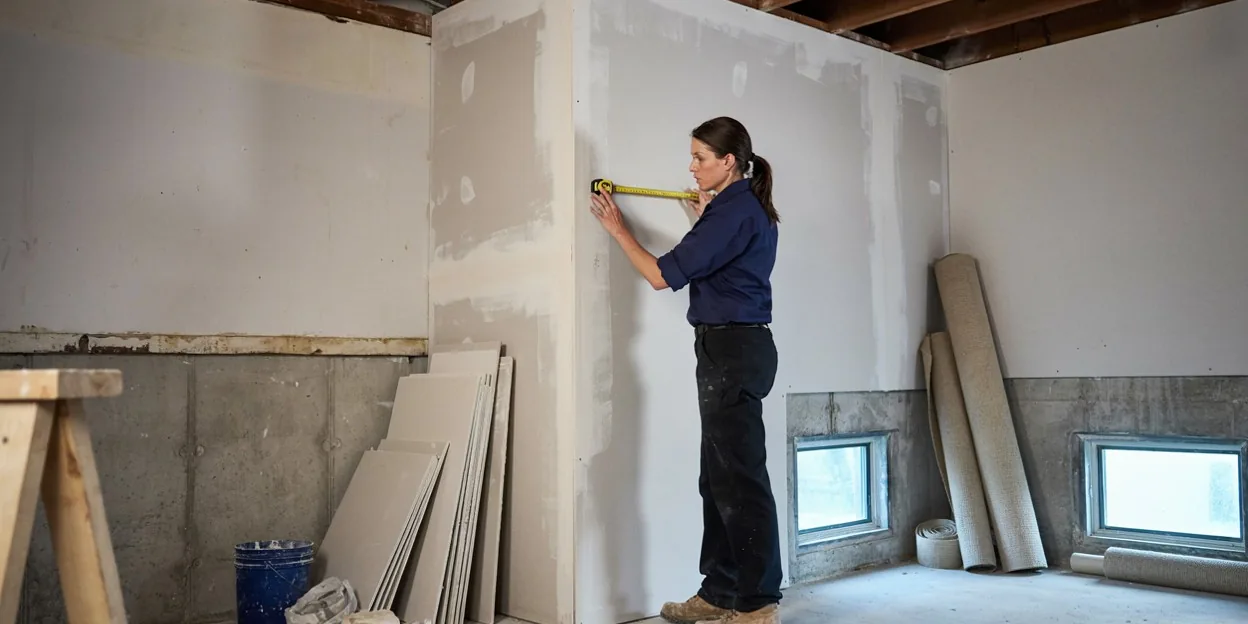
Woodglen is the 1970s and early 1980s heart of central Thornton, between 104th and 112th Avenues near Washington and Grant Streets, with Woodglen Park and the lake at Carpenter Park nearby. The houses are split-levels, tri-levels, and bi-levels on garden-level foundations, with the family room set four feet into the clay and a utility room in the lowest corner holding the furnace, the water heater, and often a sump pit. These houses are now forty to fifty years old, and their original water heaters, supply lines, and roofs have all been replaced at least once.
This site puts Woodglen homeowners through by phone to an independent local water damage provider.
In a tri-level the wet room is rarely the only wet room. Water on the garden-level floor runs under the framed wall into the utility room and the crawl space under the main-floor bedrooms, and the crew checks all three. Tell the person who answers which level is wet and whether the crawl space has been looked at.
Woodglen water damage in a 1978 tri-level
A garden level that took water along the back wall after a summer storm is a basement flooding cleanup. A water heater that let go in the utility corner and ran under the wall into the family room is a water heater leak cleanup. A copper pinhole behind the upstairs bathroom that drips into the kitchen is burst pipe water damage.
Woodglen's lake and where its water goes
The lake at Carpenter Park on 112th Avenue collects runoff from the streets around it, and in a heavy rain it rises before the storm drains catch up, which means the low garden levels between Woodglen and the park are already taking water when the lake is up. Rebuild permits for drywall, plumbing, or wiring on the lower level go through the City of Thornton.
Call (720) 735-3725 and tell us what the lower level looks like. An independent local water damage provider serving Woodglen takes the call.
Services Available in Woodglen
Basement Flooding Cleanup
Water pumped out of a finished or unfinished Thornton basement, then the bottom of every wall and the slab metered to see what stayed wet.
Water Extraction
Standing water pulled off carpet, tile, wood, and concrete on any floor of the house, with the first moisture readings taken the same visit.
Structural Drying
Air movers and dehumidifiers set from daily readings until subfloor, studs, and drywall reach their dry target in a dry-climate house.
Frozen Pipe Cleanup
Cleanup after a supply line froze in a garage wall, crawl space, or north-facing wall during an arctic night and split when it thawed.
Burst Pipe Water Damage
A failed supply line, a cracked fitting, or an old galvanized run in a 1950s ranch let go, and the rooms it soaked get pumped out and dried.
Water Heater Leak Cleanup
The tank in the basement utility corner rusted through overnight, and the floor, framing, and stored boxes it soaked get dried out.
Roof Leak and Hail Water Damage
Wet attic insulation, ceilings, and walls dried after a hailstorm, a wind-torn shingle, or an ice dam let meltwater into the house.
Leak Detection
A high Thornton Water bill, a warm patch on a slab floor, or a damp spot with no visible source tracked to the pipe behind it before walls open.