Roof Leak and Hail Water Damage in Thornton, CO
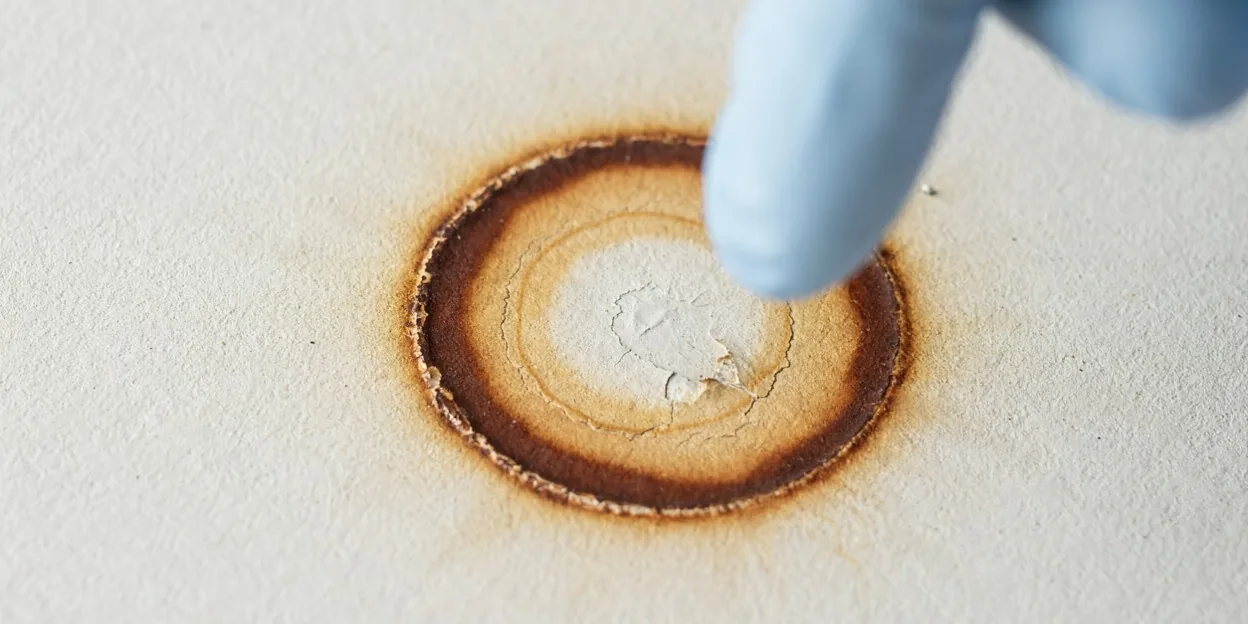
The hail came through after dark in the middle of May, and the roof looked fine from the driveway the next morning. Three weeks later a thunderstorm rolled through and a brown ring the size of a dinner plate appeared on the ceiling of the upstairs bedroom, then a second one in the hall. The roof had been leaking into the attic insulation since the night of the storm, and it took a real rain to push the water through. This site puts you through by phone to an independent local provider who dries out roof leak and hail water damage in Thornton and across Adams County.
Tracing the stain back up to the shingle
Water on a ceiling rarely comes from directly above the stain. It runs down a rafter or along the top of the ceiling drywall until it finds a seam or a light fixture. The crew goes into the attic with a light and a meter, finds the wet insulation, and follows it uphill to the entry point, which is often a bruised shingle, a lifted tab, a cracked pipe boot, or a nail pop the hail drove up. Then they meter the ceiling around the stain and the wall below it, because the water that did not come through the ceiling ran down inside the wall.
Catch the drip, mark the spot, and call the roofer and the crew together
Set a bucket under the drip and throw a tarp or a shower curtain over the bed and the dresser. If the ceiling drywall is bulging, poke a small hole in the center of the bulge with a screwdriver so it drains in one place. Photograph the stain, the attic if you can reach it safely, and the roof from the ground. Do not go up on a wet or hail-damaged roof. The roofer stops the water from coming in. The cleanup crew dries what already got in. Both can start the same week, and the drying should not close up until the roof is tight.
What the attic gives up and what the ceiling keeps
Wet blown-in or batt insulation comes out, because it holds the water against the ceiling drywall and never dries in place. Ceiling drywall that has a stain but still reads dry and firm often stays and gets sealed and painted after the roof is fixed. Ceiling drywall that is sagging or soft comes down. Rafters and ceiling joists dry with air movers on them. A wall that took water inside the cavity gets the baseboard off and holes at the bottom, or a flood cut if the drywall is ruined. From there structural drying runs until the framing reads dry. If the leak came from a plumbing stack in the attic rather than the roof, leak detection is the page to read.
Thornton sits in the hail belt and under the ice line
The north Denver metro is one of the most hail-prone places in the country, and Thornton roofs take it every few years. The overnight storm of May 10, 2023, dropped damaging hail across Thornton and the northern suburbs, and the storm of May 30, 2024, put baseball-size hail on Henderson and Commerce City a few miles east. Hail rarely punches a hole. It bruises the shingle, cracks the mat under the granules, and the leak shows up weeks later in the next hard rain, long after the storm anyone remembers.
Winter brings ice dams. A warm attic melts the snow on the roof, the water runs to the cold eave and refreezes, and the pool behind the dam backs up under the shingles and down the inside of the exterior wall. The 1980s and 1990s split-levels with low-slope roofs and short overhangs see this most. Hail and wind claims usually fall under the wind and hail section of a homeowner policy, often with a separate deductible that runs a percentage of the home's value. The Colorado Division of Insurance publishes consumer guides on how those deductibles work. We do not know your policy and will not guess at it. Have the crew document the attic, the ceiling, and the first readings so the roof claim and the interior claim tell the same story.
When to call about a ceiling stain after a storm
Call when a stain appears after hail, wind, or a snowmelt, when a ceiling is bulging, or when a roofer has fixed the roof and told you the attic is wet. Say which rooms, whether the drip is active, and whether the roof has been looked at. Call (720) 735-3725.